

Ranchers
Milk Types
Milk is primarily categorized into dairy (sourced from mammals) and plant-based alternatives. Dairy types are classified by their fat content, while plant alternatives are made from grains, nuts, or legumes. Each offers a unique flavor profile, nutritional value, and culinary use.
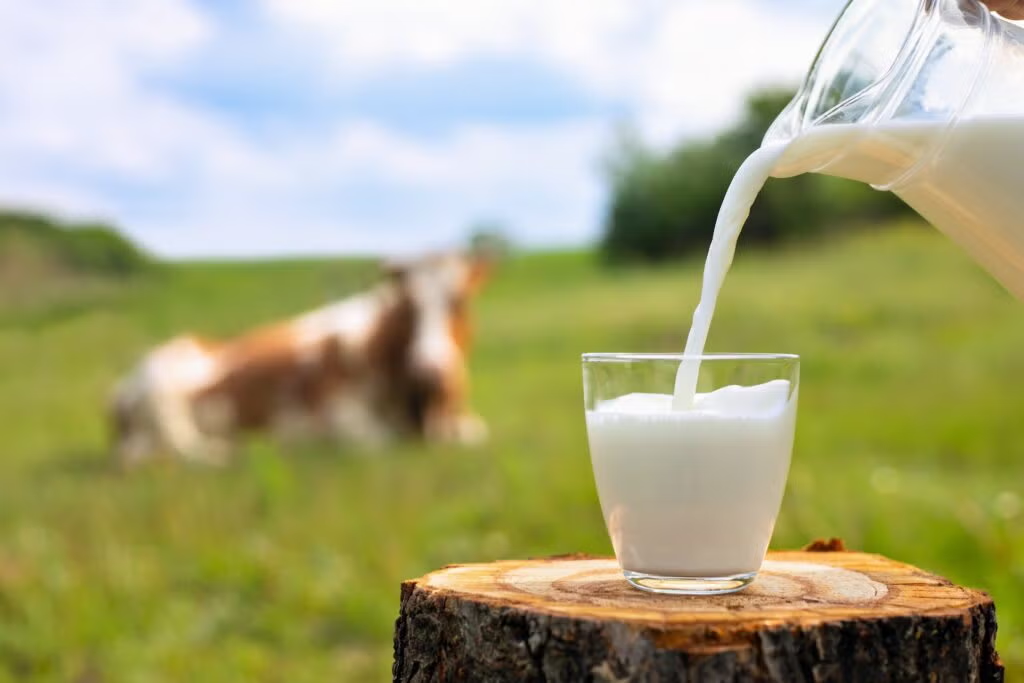
Milk is categorized primarily by its fat content, processing method, and source. For a platform focusing on agricultural and food commerce, understanding these categories is essential for logistics, shelf-life management, and regulatory compliance.
1. Dairy Milk (Bovine)
Dairy milk is standardized based on the percentage of butterfat removed during processing:
Whole Milk: Contains approximately 3.25%–3.5% milkfat. It is the closest to the composition of milk as it comes from the cow.
Reduced-Fat (2%): Has a significant portion of the fat removed, leaving 2% milkfat.
Low-Fat (1%): Further reduction in fat content.
Skim (Non-fat): Contains less than 0.5% milkfat.
Raw Milk: Milk that has not been pasteurized. It carries a higher risk of foodborne illness and is subject to strict, varying legal regulations regarding sale and transport.
2. Processing and Preservation Methods
These methods determine the storage requirements and shelf life of the product:
Pasteurized: Heat-treated to kill harmful bacteria; requires constant refrigeration.
Ultra-Pasteurized (UP): Heated to a higher temperature than standard pasteurization for a shorter time. It lasts longer in the refrigerator than standard pasteurized milk.
Ultra-High Temperature (UHT / Shelf-Stable): Heated to even higher temperatures and packaged in sterile containers. This milk can be stored at room temperature until opened.
Homogenized: A process that breaks down fat globules so they remain suspended in the milk rather than separating and rising to the top as cream.
3. Alternative (Plant-Based) “Milks”
These are emulsions derived from plant sources. They are highly relevant for modern food distribution:
Nut-Based: Almond, cashew, and macadamia milks are popular for their creamy textures and specific flavor profiles.
Grain-Based: Oat and rice milks. Oat milk, in particular, is highly valued in the commercial sector for its ability to froth similarly to dairy milk.
Legume-Based: Soy milk is the most nutrient-dense plant alternative, offering a protein profile most similar to cow’s milk. Pea protein milk is also gaining traction for its sustainability profile.
4. Commercial & Auction Considerations
If you are integrating milk or dairy-related products into your auction platform, consider these operational factors:
Cold Chain Logistics: Dairy milk is highly perishable. Listing these products requires verified temperature-controlled storage and rapid transport protocols.
Certifications: Beyond basic food safety, products may carry organic, rBST-free (synthetic hormone-free), or A2/A2 (a specific protein variant) certifications, which significantly impact market value.
Regulatory Documentation: Milk products are heavily regulated. Ensure you have the necessary licensing and safety certifications for interstate or international commerce if you intend to facilitate these trades.