
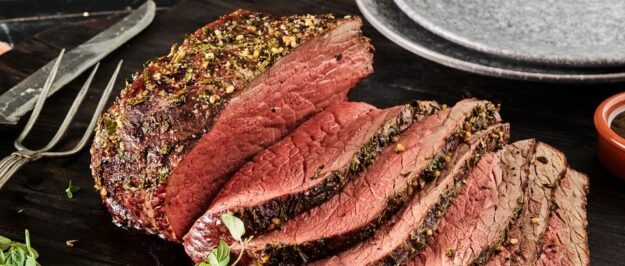
Herbs and Spices
Seasoning Blends
- Garam Masala: A warm, aromatic Indian blend (cinnamon, cumin, cloves, cardamom) used to deepen curries and stews.
- Herbes de Provence: A fragrant French mix (thyme, basil, rosemary, savory, lavender) perfect for roasting poultry or vegetables.
- Chinese Five-Spice: A sweet, pungent, and savory mix (star anise, cloves, cinnamon, fennel, Sichuan peppercorns) used in marinades and stir-fries.
- Za’atar: A tangy Middle Eastern blend (sumac, thyme, oregano, sesame seeds) that adds crunch and brightness to flatbreads and vegetables.
- Baharat: An earthy Middle Eastern rub (black pepper, paprika, cumin, cloves, cinnamon) primarily used for meats and stews.
- Cajun Seasoning: A bold and spicy blend (paprika, cayenne, garlic, onion, oregano) great for searing seafood or chicken.
- Dry Chimichurri Rub: An herbaceous Argentine mix (parsley, garlic, oregano, red pepper flakes) used for grilled meats.
- Steak / BBQ Rubs: Thick blends of coarse pepper, salt, chili powder, and sometimes sugar or coffee designed to caramelize over high heat.
- Italian Seasoning: A savory mix of dried oregano, basil, thyme, and rosemary used for pasta sauces and roasted dishes.
- Seasoned Salt: A foundational blend of salt with paprika, onion, and garlic (like Lawry’s) that acts as an easy flavor enhancer.
- Salt-Free Blends: Combinations like Mrs. Dash (onion, garlic, lemon peel, and various peppers) that maximize taste without sodium.
- Efficiency: They eliminate the need to measure out 10 to 15 individual spices every time you cook.
- Consistency: Pre-mixed ratios take the guesswork out of balancing flavors.
- Control: Many homemade recipes offer control over salt and sugar, catering to specific diets without relying on store-bought additives.
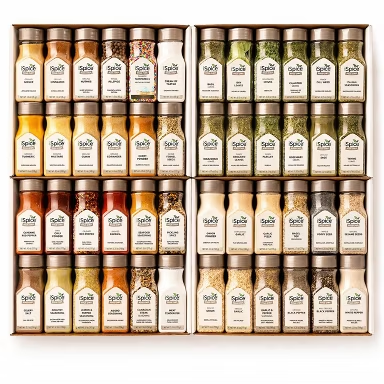
Seasoning blends are combinations of dried herbs, ground spices, salt, sugar, and other aromatics mixed to provide a balanced, ready-to-use flavor profile. They are designed to simplify cooking by combining complementary flavors into a single, cohesive product.
Core Components
Base Ingredients: Most blends are anchored by salt or sugar, which act as flavor enhancers and carriers for the more potent aromatic components.
Aromatics: These provide the primary flavor profile and include dried herbs (e.g., oregano, thyme, parsley), ground spices (e.g., paprika, cumin, garlic powder, onion powder), and sometimes dried citrus zest.
Functional Additives: Some commercial blends include anti-caking agents, such as silicon dioxide or calcium silicate, to ensure the powder remains free-flowing and does not clump in humid environments.
Categories by Culinary Profile
Regional/Cuisine-Specific: Formulated to mimic the traditional flavor profiles of specific global cuisines.
Examples: Curry powder, taco seasoning, garam masala, Italian seasoning, Cajun/Creole blends, and za’atar.
Application-Specific: Designed for a particular type of food or cooking method.
Examples: Poultry seasoning, steak rub, barbecue rub, pickling spice, or pumpkin pie spice.
Table/All-Purpose: Blends meant for general seasoning at the table or during the final stages of cooking.
Examples: Lemon pepper, garlic salt, or seasoned salt.
Composition and Quality
Flavor Complexity: A well-balanced blend relies on the “synergy” of ingredients, where the combined flavors are more impactful than any individual component.
Consistency: The primary advantage of a blend is repeatability. By using a pre-measured mix, the flavor profile remains consistent across multiple dishes.
Stability: The shelf life of a blend is determined by the most volatile ingredient in the mixture. Because spices and herbs degrade at different rates, a blend usually has a shorter optimal shelf-life than its individual component parts stored separately.
Technical Handling
Storage: These mixtures are highly sensitive to moisture and light. They must be stored in airtight, opaque containers in a cool environment. Moisture can lead to the ingredients clumping, while heat and light cause the rapid oxidation of essential oils.
Homogeneity: In manufacturing, ensuring that a blend is homogeneous (well-mixed) is critical. If a blend is not properly mixed, the initial servings from a container may have a completely different flavor profile than those at the bottom of the jar.