

From the Wild
Alligator
Alligator harvesting is a heavily regulated process managed through strict state lottery and permit systems to ensure sustainable population control. State agency guidelines, such as the Florida Fish and Wildlife Conservation Commission (FWC) Alligator Management Program, govern how wild populations are managed and hunted.
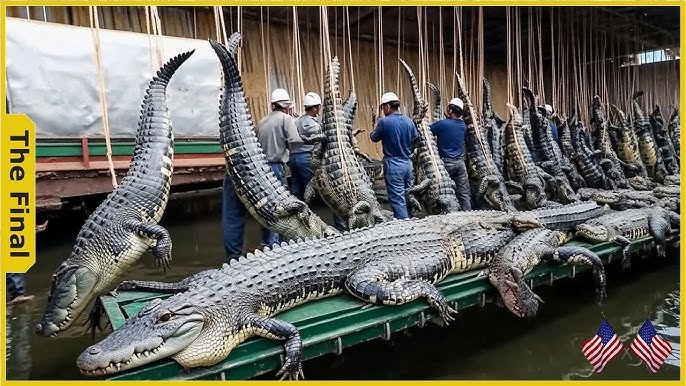
Alligator harvesting is a highly regulated wildlife management tool used to maintain healthy, stable crocodilian populations while providing recreational and commercial opportunities. In the United States, sustainable wild harvesting programs are legally established in states like Florida, Louisiana, South Carolina, Arkansas, Georgia, and Texas. Because the American alligator was historically endangered, strict legal frameworks govern how they are caught, dispatched, and tagged.
📜 Licensing and Permits
To legally participate in a public harvest, you must obtain state-specific permits, which are usually distributed via a random lottery drawing.
- Application Deadlines: Lottery applications typically open in the spring (e.g., May to June) through state agency sites like GoOutdoorsFlorida.com.
- Age Requirement: Applicants must generally be at least 18 years old.
- Permit Contents: A successful draw usually grants a harvest permit and a specific number of CITES validation tags (typically two per permit).
- Private Land Harvesting: Separate programs, such as the FWC Private Lands Alligator Management Program, manage harvesting and egg collection on private properties.
🏹 Capture and Snaring Methods
State wildlife agencies strictly prohibit the use of unattached firearms to hunt free-swimming alligators. The animal must first be physically captured and restrained under control.
- Snatch Hooks: Using heavy-duty spinning rods loaded with 50- to 150-pound braided line and weighted treble hooks to snag the alligator.
- Crossbows and Bowfishing: Firing a specialized arrow or bolt attached to a high-strength restraining line.
- Harpoons or Gigs: Manually driving a barbed dart attached to a rope into the animal’s hide.
- Baited Wooden Pegs: Deploying a wooden peg under two inches long on a hand-held line; the peg wedges inside the alligator’s stomach without piercing it.