
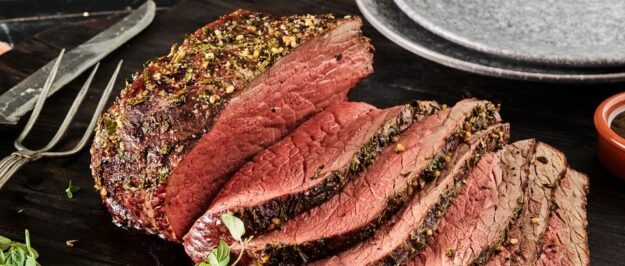
From the Wild
Axis Deer
Harvesting axis deer is a highly sought-after endeavor across the southern United States (like Texas and Florida) and Hawaii, prized for both their striking trophy antlers and being some of the best-tasting wild game meat available.
Because axis deer are a non-native, introduced species, they are generally not bound by native big game restrictions. This means they can often be hunted year-round with no bag limits on private land.
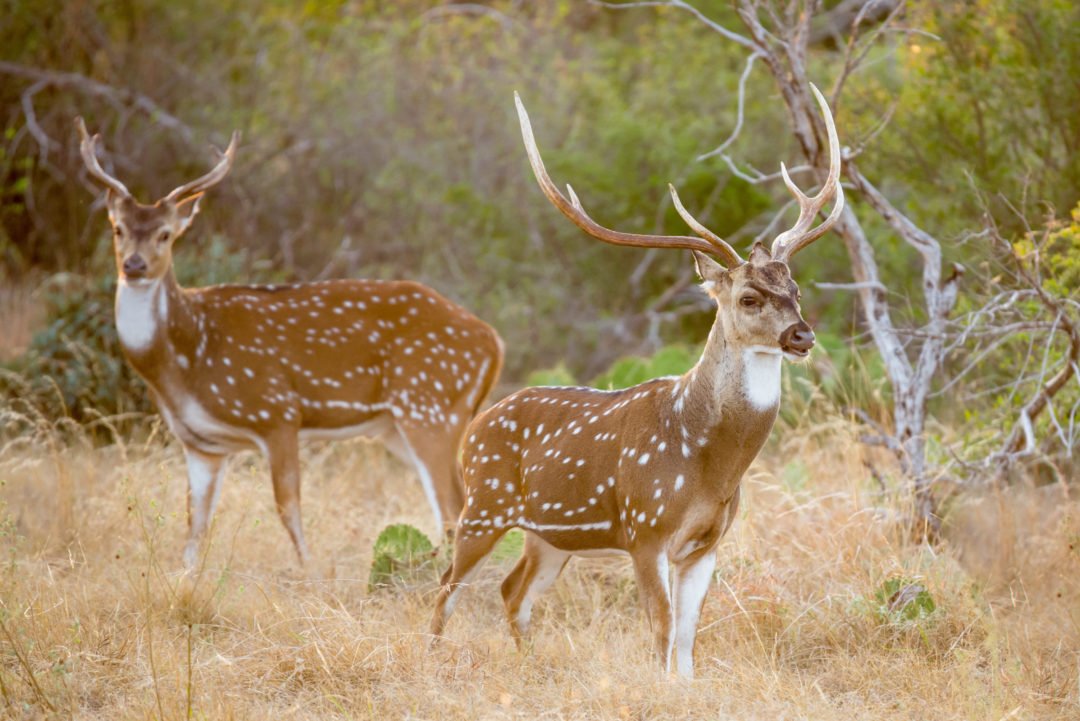
Harvesting axis deer yields what is widely considered the finest, most tender table fare of all venison species. Originally native to India, axis deer (also known as chital) are now a premier exotic game animal naturalized in regions like the Texas Hill Country and heavily managed as an invasive species in Hawaii. Successful harvesting requires a deep understanding of their unique biology, high-alert senses, and proper post-shot meat care.
🌟 Why Axis Deer is Highly Prized
- Superior Table Fare: The meat is exceptionally lean, high in protein, and completely lacks the “gamey” flavor associated with other deer species.
- Year-Round Hunting: Unlike native species, axis deer do not have a closed seasonal window or strict harvest limits in regions where they are exotic or invasive.
- Impressive Trophies: Bucks carry striking, sweeping, lyre-shaped antlers that typically range from 28 to 36 inches.
🎯 Hunting Strategies & Tactics
Axis deer possess incredibly keen eyesight, an acute sense of smell, and a distinct “monkey bark” warning call that alerts the entire herd.
- Scent and Wind Management: Axis deer rely heavily on wind direction. You must always approach downwind or crosswind to keep your scent from blowing into their bedding or feeding zones.
- Tree Stand Hunting: The most reliable method is waiting near natural food plots or oak trees dropping acorns. Axis deer prefer thick cover, making low-impact stationary hunting highly effective.
- Spot-and-Stalk: If moving through open country, use extreme silence. Use brush as natural visual blockades. Axis deer are highly flighty and rarely stop to “investigate” like whitetail deer once spooked.
- Timing the Rut: While they can breed year-round, the primary rut occurs between May and July. During this window, bucks are highly active, vocal, and aggressive, making them much easier to locate and call in.
- Gear Requirements: Use rifle calibers ranging from
.243to.30-06. For archery setups, choose heavy, high-penetration arrow builds to pass through their tough shoulder musculature.
🥩 Field Dressing and Processing Meat
Because axis deer are frequently harvested during hot summer months, proper meat preservation is urgent.