

Sea Foods
Cephalopods
- Body Structure: A distinct head, well-developed eyes, and a muscular mantle that houses their internal organs.
- Limbs: At least 8 arms (in octopuses) or 8 arms plus 2 longer tentacles (in squids and cuttlefish) equipped with chemosensitive suckers.
- Movement: They swim using “jet propulsion” by rapidly expelling water through a muscular funnel called a siphon.
- Defenses: Most possess an ink sac to evade predators and specialized skin cells (chromatophores) that allow for instant camouflage.
- Intelligence: They are the most neurologically complex invertebrates, known for problem-solving, memory, and even exhibiting distinct personalities.
- Anatomy: Unlike most animals, they have blue blood (due to the copper-based protein hemocyanin) and three hearts.
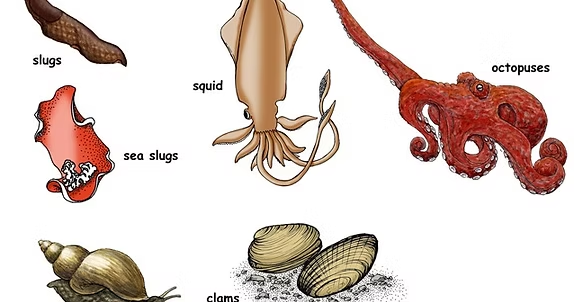
Cephalopods are a highly intelligent group of marine mollusks that lack the external shells typical of bivalves or gastropods. Instead, they feature a soft body, a sophisticated nervous system, and tentacles or arms equipped with suckers.
Primary Culinary Categories
In culinary and commercial contexts, cephalopods are divided into three main groups based on their physical characteristics:
Squid (Calamari): These possess a long, cylindrical mantle (the body) and eight arms plus two longer feeding tentacles. They are the most widely consumed cephalopods globally, favored for their mild, slightly sweet flavor.
Octopus: Known for having eight arms and no internal shell or mantle, octopus meat is dense and muscular. It is famous for its complex texture, which requires specific techniques to tenderize.
Cuttlefish: Similar in body shape to squid but with a wider, flatter mantle and an internal, calcified structure known as a “cuttlebone.” Their meat is slightly thicker and more flavorful than squid.
Texture and Culinary Preparation
Cephalopods are lean, high-protein, and low-fat, but their muscle structure requires specific preparation techniques to ensure tenderness:
Quick-Heat Methods: Squid is best when cooked very briefly at high heat (such as flash-frying or quick searing), which keeps the meat tender. Longer cooking at high heat will cause the protein to contract, resulting in a tough, rubbery texture.
Slow-Braise Methods: Octopus is best suited for long, slow-cooking processes—such as braising, simmering in liquid, or sous-vide—which break down the connective tissue and muscle fibers, resulting in a tender, buttery consistency.
Flavor Absorption: Because their natural flavor is relatively mild, cephalopods are highly effective at absorbing seasonings, aromatics (garlic, lemon, chili), and fats like olive oil or butter.
Nutritional Profile
Cephalopods are a concentrated source of high-quality nutrition:
Protein: They provide a significant amount of lean, complete protein.
Micronutrients: They are rich in selenium, vitamin B12, and iron.
Low Fat: Most of the fat content present is in the form of heart-healthy polyunsaturated fats, including Omega-3 fatty acids.
Commercial Handling and Quality
Perishability: Like all seafood, cephalopods are highly perishable. They must be maintained under strict temperature control from harvest to delivery.
Freshness Indicators:
Color: The skin should be vibrant and intact; avoid any specimens with dull, gray, or slimy skin.
Eyes: The eyes should be clear and bright.
Odor: They should smell clean and fresh, reminiscent of the sea. Any sharp, ammonia-like, or sour odor indicates spoilage.
Processing: Commercially, they are often sold cleaned (mantles emptied) or as further processed products like rings, tubes, or tentacles. Because of their structure, maintaining the integrity of the mantle during cleaning is important for the final presentation.