
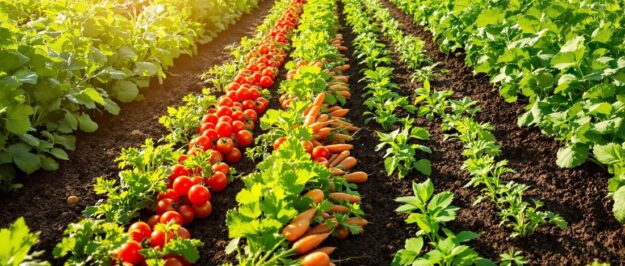
Farmer Organic Vegetables
Organic vegetables are crops grown and processed using government-regulated, ecologically balanced farming methods. These methods prioritize natural pest control and soil health over synthetic chemicals, focusing on biodiversity and environmental conservation.
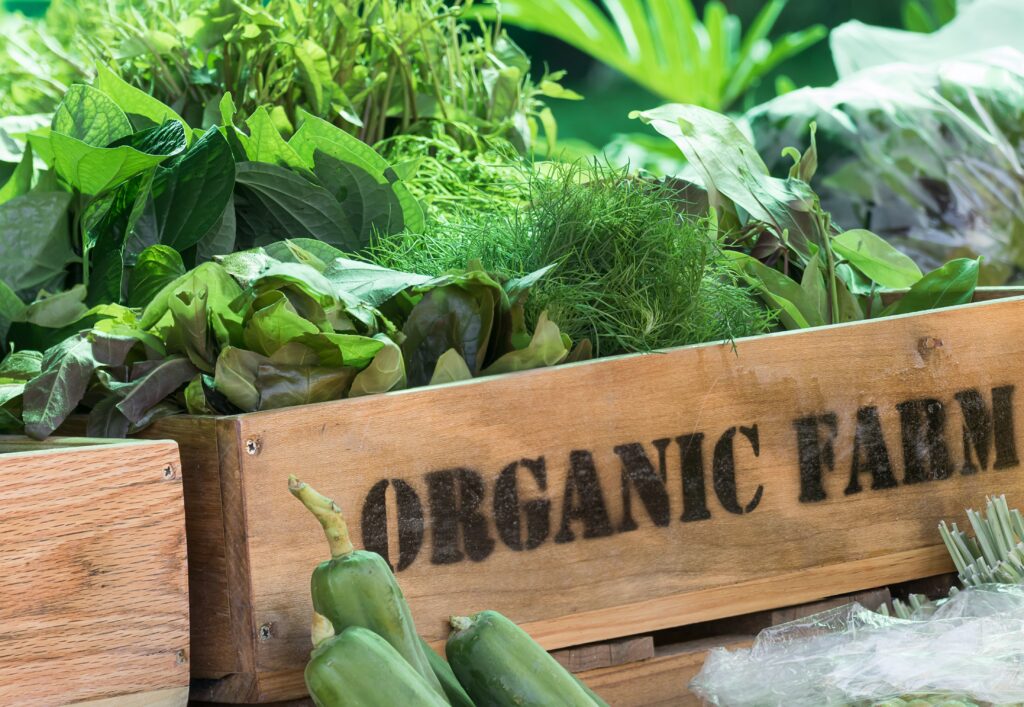
Organic vegetables are grown and handled according to strict federal regulations that prioritize the health of the soil, the ecosystem, and the consumer. By avoiding synthetic inputs, organic farming emphasizes a closed-loop system where the plant’s health is derived from a biologically active, nutrient-rich environment.
Core Principles of Organic Vegetable Production
Soil Health as Foundation: Rather than relying on synthetic nitrogen fertilizers, organic farmers build soil fertility through composting, the application of natural manure, and the use of cover crops (green manure). These practices increase organic matter, improve water retention, and foster diverse microbial life in the soil.
Proactive Pest Management: Because synthetic insecticides are prohibited, organic farmers utilize Integrated Pest Management (IPM) strategies. This includes crop rotation (to break pest life cycles), planting trap crops to lure pests away from harvestable produce, and encouraging populations of beneficial insects (predators) that naturally control pest populations.
Prohibited Substances: Organic standards explicitly forbid the use of synthetic herbicides, chemical fertilizers, and synthetic fungicides. Additionally, all seeds used must be non-GMO, and the soil must be free of prohibited synthetic substances for at least three years prior to harvest.
Characteristics and Quality
Nutrient Profile: Organic vegetables often show higher concentrations of specific antioxidants and phytonutrients. These compounds are essentially the plant’s “immune system,” which it produces in higher quantities when it has to fend off natural pests and diseases without synthetic chemical protection.
Flavor and Texture: Many culinary professionals and consumers note that organic vegetables—particularly heirloom varieties—often possess more complex, concentrated flavor profiles. This is frequently attributed to the slower, more natural growth cycle supported by healthy, fertile soil.
Environmental Impact: Organic vegetable production typically results in less chemical runoff into local water tables and supports higher levels of biodiversity, including pollinators like bees and butterflies, which are critical to the broader agricultural ecosystem.
Verification for Consumers
To ensure that vegetables are truly organic, look for the following:
The USDA Organic Seal: The primary marker of compliance with the National Organic Program (NOP).
PLU Codes: As with fruits, if a vegetable has a sticker, a five-digit code starting with a 9 indicates it was grown organically.
Direct Sourcing: Purchasing directly from local farmers’ markets is an excellent way to verify production methods. Many smaller farms practice “beyond organic” methods but may not be certified due to the high cost of the certification process.