From the Wild
Antelope
Harvesting (or field-dressing) an antelope requires quick action to preserve the notoriously mild, lean meat. The process involves gutting the animal, skinning, cooling the carcass, and butchering. The key to great table fare is rapid body heat dissipation, cleanliness, and removing glands that can cause off-flavors.
Field Dressing (Gutting)
- Prepare: Lay the animal on its back (use rocks or logs to prop it up) and put on gloves.
- First cut: Carefully cut the hide around the pelvis and up the abdomen to the sternum. Do not puncture the stomach or intestines.
- Remove organs: Cut around the anus so intestines drop into the cavity. Pull the windpipe and esophagus while cutting the connective tissue and diaphragm. Carefully roll the internal organs out.
- Cooling: Wipe the cavity clean with a damp cloth and prop it open with a stick to allow the meat to cool rapidly.
Skinning & Quartering
- Remove the hide: Hang the antelope by its head or hind legs. Carefully peel the hide down to prevent hair from touching the meat.
- Remove scent glands: Trim off the scent glands located on the rump and the neck to ensure the meat does not take on a gamey, pungent flavor.
- Quartering: Cut the legs into four quarters, and carefully remove the prized backstraps (along the spine) and tenderloins (inside the spine).
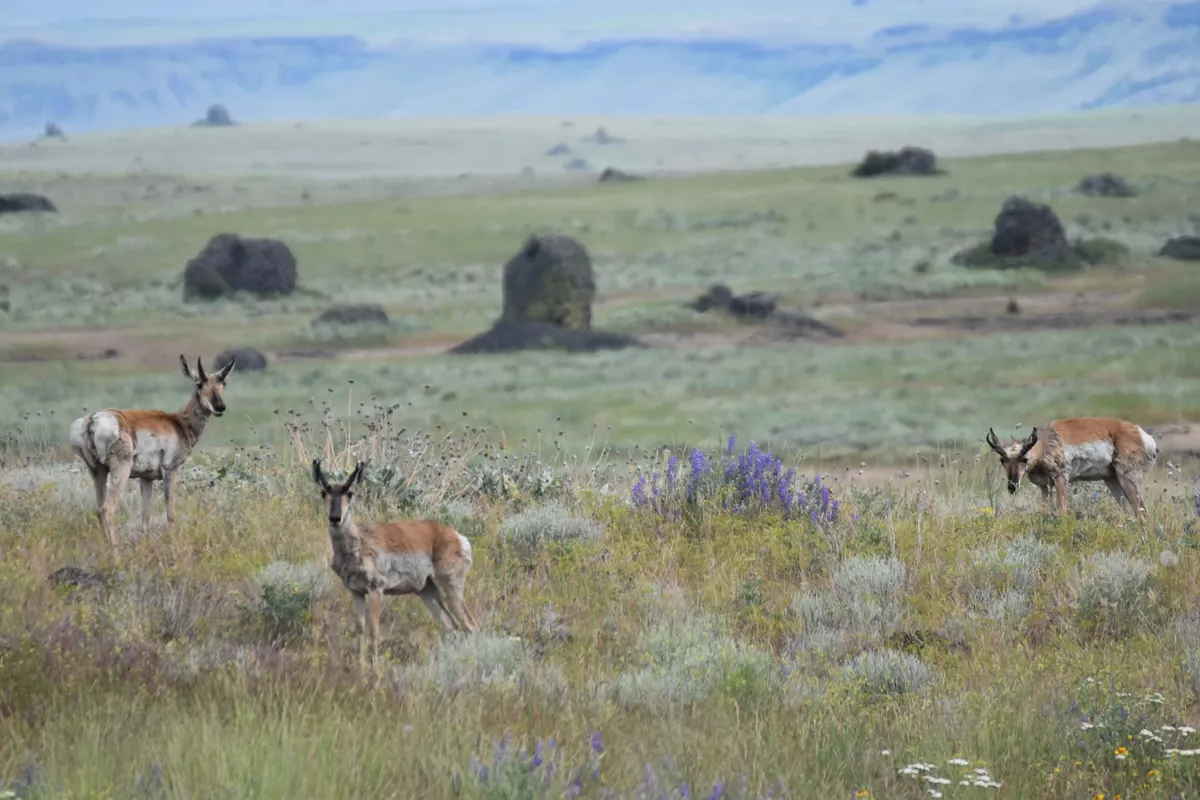
Harvesting an American pronghorn antelope requires strict attention to immediate temperature control due to the animal’s high resting body heat (101.8°F). Failing to cool the carcass quickly in the field is the primary reason the meat develops an unappealing, overly strong “gamey” flavor.
🧰 Required Field Tools
- Ultra-sharp knife (or a knife with a gut-hook feature)
- Bone saw (for opening the pelvis and chest cavity)
- Game bags (breathable synthetic or cotton mesh)
- Large cooler filled with ice
- Nitril gloves
🔪 Step-by-Step Field Dressing
- Tag the Animal: Immediately notch, sign, and attach your valid carcass tag to the hock joint before beginning any cutting.
- Make the Primary Cuts: Position the animal on its back. Insert your knife upside down near the pelvic area, lifting the hide with your fingers to avoid puncturing the stomach or intestines. Cut forward cleanly up to the sternum.
- Preserve Evidence of Sex: If required by local regulations, ensure you leave the mammary glands or external genitalia attached to at least one hindquarter as legal proof of sex.
- Free the Entrails: Cut circularly around the anus and vulva to free the lower digestive tract. Use your bone saw to cleanly split the pelvic bone down the center.
- Remove the Organs: Sever the windpipe and esophagus as high up the neck as possible. Pull downward on the esophagus to use it as a handle, rolling the heart, lungs, and stomach out of the cavity. Slice carefully along the ribcage to release the diaphragm.
❄️ Cooling and Skinning
- Skin Immediately: Antelope hair traps heat exceptionally well. Peel the hide off the carcass as fast as possible to let the ambient air drop the meat’s temperature.
- Quarter and Bag: Break the animal down into its major structural quarters (front legs, hind legs, backstraps, and neck meat). Place the pieces immediately into clean game bags to protect them from dirt and flies.
- Pack on Ice: Place the bagged quarters into your cooler. Keep the cooler drain plug open so the melting water flows out, ensuring the meat stays cold and dry rather than soaking in water.