From the Wild
Pheasant, Quail, and Grouse
Harvesting upland game birds—pheasant, quail, and grouse—requires careful field care, correct butchery techniques, and proper aging to ensure the best table fare. Proper handling not only maximizes the amount of meat you salvage but also preserves the delicate, distinct flavors of each bird.
Field Care & Transport
- Cooling: Heat and moisture are your greatest enemies. Never pile warm birds in a game vest or trunk. Hang them on a game strap to allow air circulation, or lay them out side-by-side.
- Field Dressing: Remove the entrails and the crop as soon as possible. Fermenting grains in the crop will rapidly taint the meat.
- Regulations: Always check your state wildlife laws. You are typically required to leave a fully feathered wing or the head attached to the carcass for identification purposes during transport.
Plucking vs. Skinning
Whether you pluck or skin the bird dictates how you will cook it later.
- Plucking: Leaves the skin intact, which is essential for whole-bird roasting, frying, or smoking to keep the meat from drying out. Dry-plucking is easier if you allow the birds to age, but take your time to avoid tearing thin skin.
- Skinning: The fastest and easiest method, especially if the bird was badly damaged by shot. However, skinless upland birds will lack fat and dry out easily, making them better suited for braises, stews, or wrapping with bacon.
Aging Upland Birds
Game bird meat benefits greatly from aging, which helps resolve rigor mortis and tenderizes the meat.
- Age clean, unblemished birds in a refrigerator (set around 40°F or slightly above).
- Pheasants reach peak tenderness after about 3 to 7 days.
- Quail and Grouse are smaller and should be aged for 3 to 5 days.
- Always ensure there is adequate airflow around the birds while they hang or rest on paper towels in a lidded container.
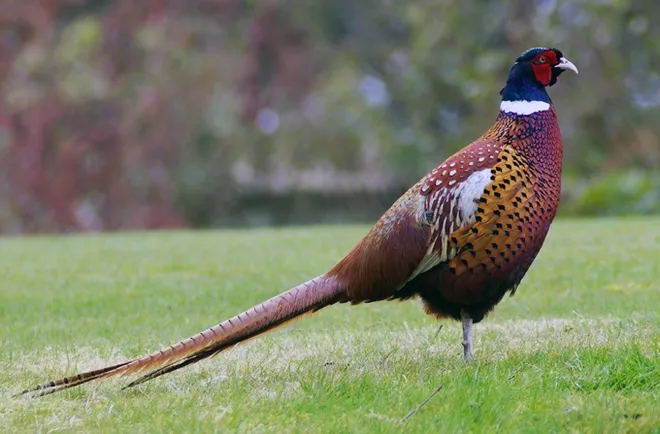
Harvesting upland game birds like pheasant, quail, and grouse requires specific knowledge of habitat, regulations, and hunting techniques.
Essential Scouting and Habitats
Each bird thrives in a unique environment.
- Pheasants: Look for agricultural edges, grain fields, tall cattails, and thick grassy ditches.
- Quail: Focus on brushy fence rows, overgrown pastures, briar patches, and low-lying shrubbery.
- Grouse: Search for young, dense forests, clear-cuts, aspen stands, and wild berry patches.
Required Gear and Firearms
The right equipment increases your chances of a ethical, successful harvest.
- Shotgun: A 12-gauge or 20-gauge shotgun is standard for all three species.
- Choke: Use a modified or improved cylinder choke for optimal pellet spread.
- Shot Size: Use #4 to #6 shot for pheasants, and smaller #7.5 to #8 shot for quail and grouse.
- Safety: Blaze orange clothing is legally required in most regions for visibility.
Hunting Tactics
Different birds demand different approaches in the field.
- Using Dogs: Pointers and flushers excel at finding hidden birds in dense cover.
- Walking Fields: Walk in a zigzag pattern and pause frequently to make nervous birds flush.
- Blockers: When hunting pheasants in a group, position hunters at the end of the field to catch running birds.
- Listen Closely: Quail covey calls and the distinct “drumming” of ruffed grouse will betray their locations.
Field Care and Processing
Proper handling preserves the quality of the meat.
- Cool Down: Field dress the bird quickly by removing the entrails to prevent meat spoilage.
- Skinning vs. Plucking: Skin the bird if you are short on time, or pluck it to keep the skin on for roasting.
- Meat Storage: Keep the harvested meat on ice in a cooler until you can refrigerate or freeze it.