

Farmer Vegetables
Vegetables are the edible parts of plants consumed by humans or animals as food, encompassing leaves, roots, stems, flowers, and seeds. Eating a diverse mix of vegetables lowers blood pressure, protects heart health, regulates blood sugar, and supports healthy weight management.
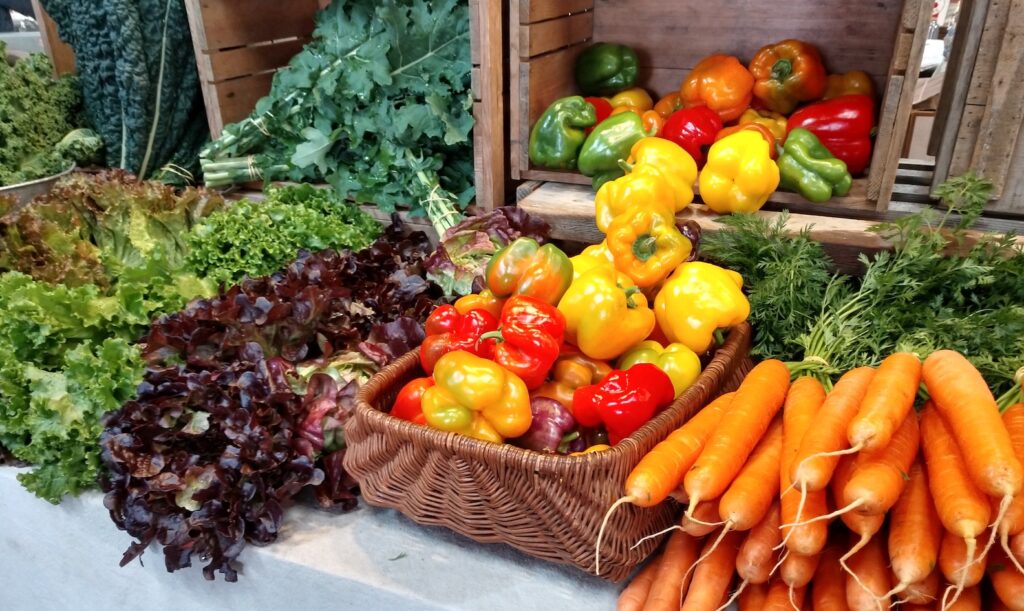
Vegetables are the essential, nutrient-dense foundation of a healthy diet. They provide a vast array of vitamins, minerals, fiber, and phytochemicals that act as the body’s “maintenance crew,” supporting everything from immune function to cellular repair.
To understand their power, it is helpful to categorize them by the parts of the plant they represent, as each category brings a unique nutritional profile to your plate.
The Spectrum of Vegetables
Leafy Greens (Spinach, Kale, Lettuce, Chard): These are the kings of micronutrients. They are incredibly low in calories but packed with vitamins A, C, and K, as well as folate and minerals like iron and calcium. They are essential for blood clotting, bone health, and reducing oxidative stress.
Cruciferous Vegetables (Broccoli, Cauliflower, Brussels Sprouts, Cabbage): Often called “superfoods,” these contain sulfur-containing compounds called glucosinolates. When chewed and digested, these compounds convert into substances that have been shown in many studies to support liver detoxification and inhibit the growth of certain types of cancer cells.
Root Vegetables (Carrots, Sweet Potatoes, Beets, Parsnips): These are the plant’s storage units, meaning they are higher in complex carbohydrates and starch compared to leafy greens. They are excellent sources of beta-carotene (which converts to Vitamin A), potassium, and natural sugars that provide sustained energy.
Allium Vegetables (Onions, Garlic, Leeks, Shallots): These provide the distinct, pungent flavors we love, but they also act as powerful prebiotics. They contain organosulfur compounds known for their antimicrobial and anti-inflammatory properties, which help support the immune system.
Fruit-Vegetables (Tomatoes, Peppers, Cucumbers, Squash, Zucchini): Botanically fruits, but culinarily treated as vegetables, these are high in water content, antioxidants like lycopene (in tomatoes), and vitamin C. They provide hydration and contribute to skin health and cardiovascular function.
Why Variety Matters: The “Eat the Rainbow” Principle
Plants produce pigments—the substances that give them their vibrant colors—to protect themselves from environmental stressors. When we eat them, we ingest those same protective compounds.
Red (Tomatoes, Red Peppers): Generally rich in lycopene, which supports heart health.
Orange/Yellow (Carrots, Sweet Potatoes): Loaded with carotenoids for eye health and immune support.
Green (Spinach, Broccoli): High in chlorophyll and lutein, essential for cellular health.
Blue/Purple (Eggplant, Red Cabbage): Packed with anthocyanins, powerful antioxidants that support brain health and reduce inflammation.
White/Brown (Onions, Cauliflower, Mushrooms): Contain allicin and other compounds that support healthy blood pressure and cholesterol levels.
The Health Benefits
Metabolic Efficiency: Vegetables provide the “spark plugs” (vitamins and minerals) that allow your enzymes to function properly, helping your body convert food into energy more efficiently.
Blood Sugar Control: Due to their high fiber and water content, vegetables have a low glycemic load, preventing spikes in blood sugar and improving insulin sensitivity.
Chronic Disease Prevention: Diets high in vegetables are consistently linked to lower risks of obesity, stroke, type 2 diabetes, and various forms of cancer.
Gut Microbiome Health: The diverse fibers in vegetables serve as food for your gut bacteria, which in turn produce short-chain fatty acids that regulate your metabolism and immune response.
Chef’s Note on Preparation: How you cook your vegetables matters. While raw vegetables preserve heat-sensitive vitamins like Vitamin C, cooking techniques like steaming or roasting can make other nutrients—like the beta-carotene in carrots or lycopene in tomatoes—more bioavailable (easier for your body to absorb). The best advice is to eat them in a variety of ways.