

Farmer Whole Grains
Whole grains are a powerhouse of nutrition, often described as the “gold standard” of carbohydrates. Unlike refined grains, which have been stripped of their most valuable components during processing, a whole grain remains intact, preserving the entire nutritional blueprint provided by nature.
To understand the value of Whole Grains, it helps to look at the anatomy of the grain kernel. Every whole grain consists of three distinct parts that work in synergy:
The Anatomy of a Whole Grain:
The Bran: This is the hard, fiber-rich outer layer. It acts as a protective shield for the grain and is packed with essential B vitamins, trace minerals, and antioxidants that help reduce inflammation.
The Germ: Often called the “embryo” of the seed, this is where new plants sprout from. It is concentrated with healthy fats, vitamin E, phytochemicals, and antioxidants. Because of its healthy fat content, the germ is the part of the grain most susceptible to turning rancid, which is why refined grains are processed to remove it.
The Endosperm: This is the largest part of the kernel, serving as the energy storehouse. It consists primarily of starchy carbohydrates and some protein. While it provides fuel, it lacks the concentrated nutrients and fiber found in the bran and germ.
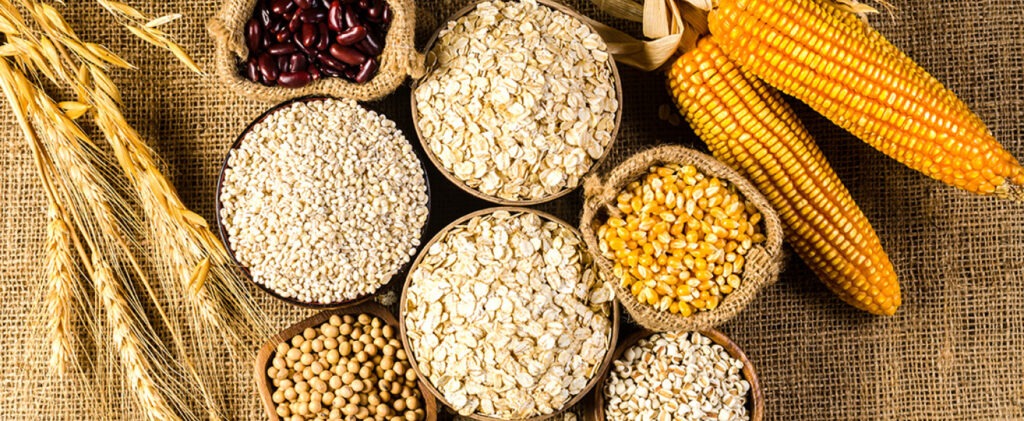
Why “Whole” Matters
When a grain is refined—like turning wheat into white flour or brown rice into white rice—the bran and germ are removed. This creates a product with a longer shelf life and a finer texture, but it leaves behind only the endosperm.
In this refined state, you lose the fiber, which is crucial for digestive health and blood sugar regulation. Furthermore, most refined grains are “enriched” afterward, which means manufacturers add back a few of the vitamins that were stripped away, but they can never fully replicate the complex, nutrient-dense profile of the original grain.
The Health Benefits
Choosing whole grains is one of the most effective ways to improve dietary quality:
Sustained Energy: Because whole grains are rich in complex carbohydrates and fiber, the body digests them more slowly. This leads to a steady release of glucose into the bloodstream, avoiding the “sugar crashes” associated with refined carbohydrates.
Heart Health: Extensive research has shown that the fiber and phytonutrients in whole grains can help lower bad cholesterol (LDL) and reduce blood pressure, significantly lowering the risk of heart disease.
Digestive Regularity: The insoluble fiber found in the bran acts like a broom for your digestive tract, promoting regularity and feeding the beneficial bacteria in your gut microbiome.
Weight Management: The satiety factor is real. Because whole grains take longer to chew and digest, they tend to make you feel fuller for longer, which can help naturally regulate appetite.
Common Examples
Whole grains are incredibly versatile and go far beyond just brown rice or oatmeal:
Ancient Grains: Quinoa, amaranth, teff, freekeh, and farro.
Staples: Barley, buckwheat, millet, and bulgur.
Common: Oats, brown rice, wild rice, and whole-wheat products (ensure the label says “whole wheat” as the first ingredient).
Note on Labeling: Be a savvy shopper. A product labeled “multi-grain” or “wheat bread” is not necessarily a whole grain product. Always look for the word “whole” as the very first ingredient on the label (e.g., “whole wheat flour” or “whole oats”) to ensure you are getting the full nutritional package.