

Farmer Organic Fruits
Organic fruits are agricultural products grown and processed without synthetic pesticides, man-made fertilizers, or genetically modified organisms (GMOs). Instead, farmers utilize natural fertilizers like compost and employ physical or biological pest control methods to maintain soil health and protect the local ecosystem.
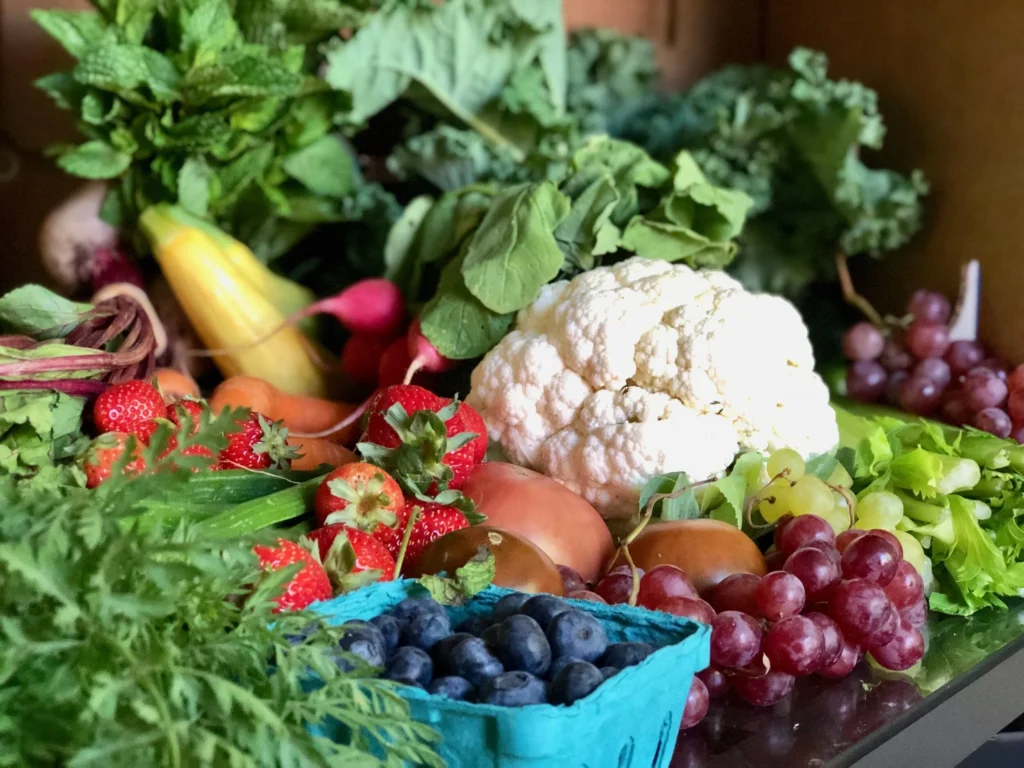
Organic fruits are products grown and processed without the use of synthetic pesticides, chemical fertilizers, sewage sludge, genetically modified organisms (GMOs), or ionizing radiation. Their production is centered on ecological balance, biodiversity, and soil health.
Key Characteristics of Organic Farming
Soil Management: Instead of synthetic fertilizers, farmers focus on building healthy soil using compost, manure, crop rotation, and green manure (cover crops).
Pest and Weed Control: Producers rely on natural methods such as physical barriers, beneficial insects (predators), trapping, and crop rotation to manage pests and weeds rather than using synthetic herbicides or insecticides.
No GMOs: Organic standards strictly prohibit the use of genetically engineered seeds or organisms.
Certified Standards: For fruit to be labeled “organic” in the United States, it must be produced and processed according to strict standards set by the USDA’s National Organic Program (NOP). Certified organic farms undergo annual inspections to ensure compliance.
Nutritional and Quality Aspects
Residue Levels: Organic fruits typically have significantly lower to non-existent levels of synthetic pesticide residues compared to conventionally grown counterparts.
Nutrient Density: Research suggests that some organic fruits may have higher concentrations of certain antioxidants and polyphenols. These compounds are often produced by plants as a natural defense mechanism against environmental stressors (like insects or disease), which plants may encounter more frequently in a chemical-free environment.
Taste and Appearance: Many consumers find organic fruits have a more robust flavor profile. However, organic fruit may vary more in size, color, and shape because they are not treated with synthetic growth regulators or waxes designed for visual uniformity.
Identification
When shopping, you can identify authentic organic fruits by looking for the USDA Organic seal. Additionally, the Price Look-Up (PLU) code on a sticker can provide a hint:
Organic: Codes are five digits long and start with the number 9 (e.g., 94011).
Conventional: Codes are typically four digits (e.g., 4011).
GMO: Conventionally grown produce that is genetically engineered typically uses five-digit codes starting with the number 8.