
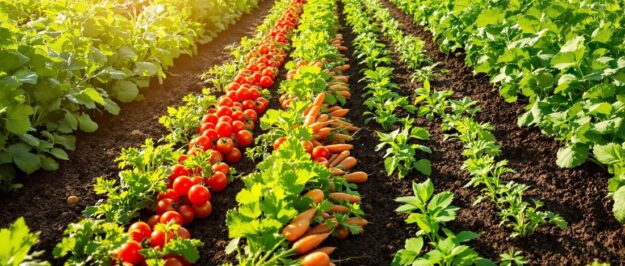
Farmer Lentils
Lentils are edible, lens-shaped seeds from the legume family. Harvested as “pulses”, they are a staple plant-based protein, rich in fiber, folate, and iron. They come in various varieties—such as red, green, brown, and black—and are valued for their quick cooking time and versatility.
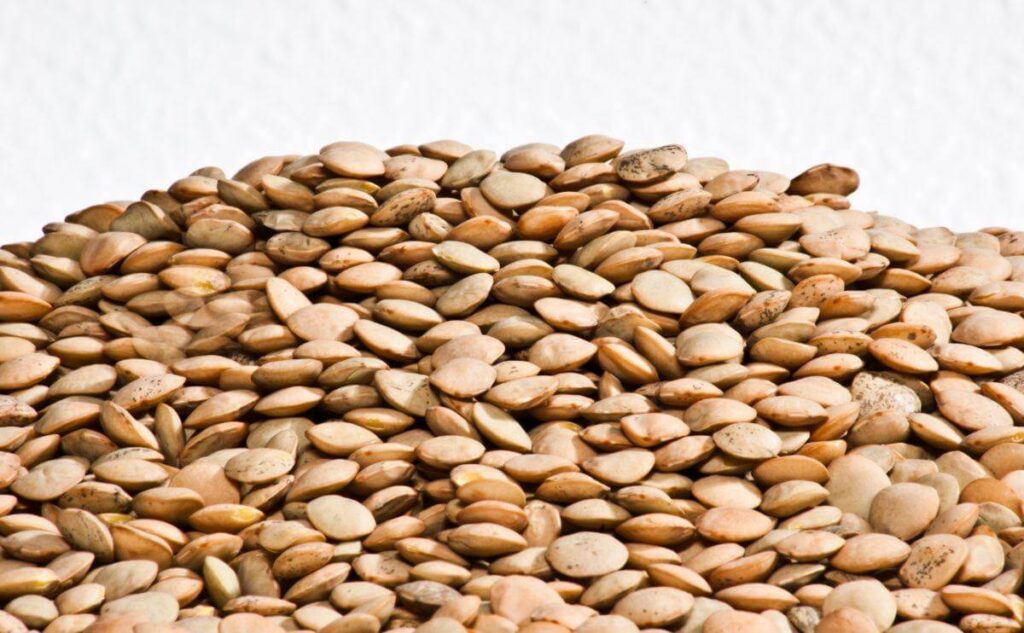
Lentils are small, lens-shaped legumes that are among the oldest cultivated crops in human history. They are highly valued for their nutritional density, long shelf life, and ability to thrive in diverse environments. Because they are low-maintenance and nutrient-rich, they are a staple in agricultural commerce and global diets.
Nutritional Profile
Lentils are considered a “superfood” due to their impressive health benefits:
High Protein & Fiber: They are one of the best plant-based sources of protein and are exceptionally high in dietary fiber, which supports digestion and helps stabilize blood sugar levels.
Micronutrient Density: They are packed with essential minerals, particularly iron, folate, manganese, and potassium.
Low Glycemic Index: Due to their fiber and protein content, they are digested slowly, providing sustained energy rather than blood sugar spikes.
Primary Varieties
Lentils vary in size, color, and cooking behavior. Understanding these distinctions is important for culinary applications:
Brown Lentils: The most common variety. They have an earthy flavor and tend to soften significantly during cooking, making them ideal for soups, stews, and casseroles.
Green Lentils (e.g., French Puy): These hold their shape well even after cooking, making them excellent for salads, side dishes, or as a textured element in recipes.
Red and Yellow Lentils: These are split, meaning they have their outer coat removed. They cook the fastest and break down into a soft, creamy consistency, which is perfect for masalas, dals, and purées.
Black (Beluga) Lentils: Small and dark, these are known for their firm texture and rich, slightly nutty flavor. They are often called “vegetable caviar” and are prized for gourmet presentations.
Agricultural & Storage Advantages
Sustainability: Lentils require relatively little water compared to other protein sources and have the unique ability to “fix” nitrogen in the soil, which naturally improves soil fertility for subsequent crops—a major benefit for sustainable farming.
Storage: Dried lentils have a very long shelf life when kept in a cool, dry, and dark environment. They do not require the specialized refrigeration or rapid turnover needed for fresh produce, making them an excellent commodity for distribution and sale on auction platforms.
Culinary Preparation
Unlike many other dried legumes (such as kidney or navy beans), lentils do not require soaking before cooking.
Speed: Depending on the variety, they typically cook in 15–30 minutes.
Versatility: They readily absorb the flavors of spices, aromatics, and broths, making them a base for cuisines ranging from Indian and Middle Eastern to Mediterranean.