
Sea Foods
Oily and Fatty Fish
- Fat Distribution: Unlike “white” or “lean” fish (such as cod or tilapia), fatty fish store healthy polyunsaturated fats (Omega-3s) throughout their entire body, resulting in darker flesh.
- Nutritional Powerhouses: They are rich in EPA and DHA (essential for heart and brain health), fat-soluble vitamins (A, D, and E), and minerals like iodine and iron.
- Flavor Profile: The higher fat content makes the flesh tender, flaky, and rich, making them ideal for grilling, smoking, or baking.
- Salmon: Renowned globally, this is one of the most popular fatty fish and provides an excellent source of protein and heart-healthy fats.
- Mackerel: A true oily fish with a robust, distinctive flavor; very high in Omega-3s and vitamin D.
- Sardines & Anchovies: Small, schooling forage fish that are often canned. Since they are eaten whole (including the tiny bones), they are also an excellent source of calcium.
- Tuna: Depending on the species (e.g., albacore, bluefin), tuna is an oily, open-water fish with a meaty texture.
- Trout: A freshwater relative to the salmon that is highly versatile for cooking.
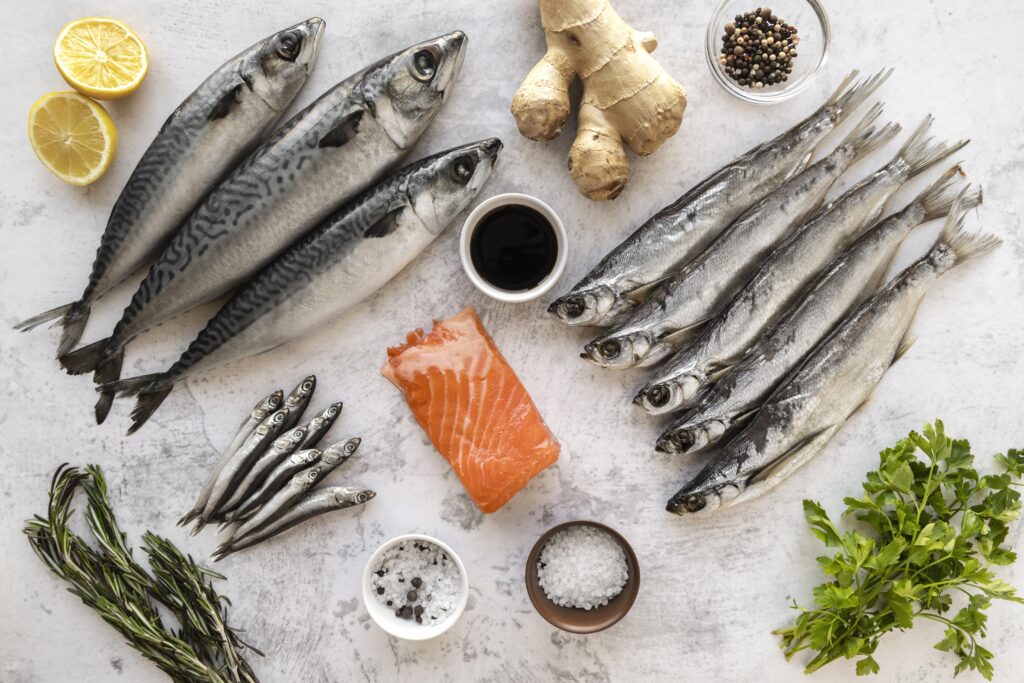
Oily fish—often referred to as fatty fish—are species that contain high concentrations of oils throughout their body tissues and in their belly cavity. In contrast to “lean” or “white” fish, which store most of their fat in their livers, oily fish distribute fat throughout their flesh.
Nutritional Profile
These fish are widely recognized for their health benefits, primarily due to their unique composition:
Omega-3 Fatty Acids: They are the richest natural source of long-chain Omega-3s (EPA and DHA), which are essential polyunsaturated fats that support heart, brain, and joint health.
Vitamins: They contain significant amounts of fat-soluble vitamins, particularly Vitamin D and Vitamin A.
Protein: Like all fish, they provide high-quality, easily digestible protein.
Characteristics and Culinary Uses
Because of their high fat content, these fish have a distinct texture, flavor, and culinary behavior:
Flavor and Texture: Oily fish generally have a richer, more robust, and “fishy” flavor than lean fish. The flesh is usually darker in color (ranging from pink to deep red or dark gray) and has a moister, denser texture.
Cooking Methods: Their fat content makes them very forgiving when cooked. They are excellent for high-heat methods like grilling, pan-searing, and roasting, as the melting fat keeps the flesh succulent and prevents it from drying out easily.
Preservation: Due to their high oil content, they are the primary candidates for smoking, curing, and canning (e.g., sardines or mackerel in oil), as the oils help carry smoke flavors and maintain texture during the preservation process.
Common Examples
Salmon: Perhaps the most famous oily fish, known for its rich pink flesh and high Omega-3 content.
Mackerel: A very oily, flavorful fish with a dark, rich, and intensely savory meat.
Sardines & Anchovies: Small, highly oily, and nutrient-dense fish often used as intense flavor bases or preserved in oil.
Tuna: Particularly fattier cuts like bluefin (often graded by fat content for sashimi), though specific tuna species vary in oiliness.
Herring: A staple in many Northern European and Scandinavian diets, prized for its high fat content and suitability for pickling and smoking.
Sablefish (Black Cod): Known for an exceptionally high fat content, giving it a buttery, white-fleshed texture that is highly prized in gourmet cuisine.
Commercial Considerations
Oxidation: Because of the high concentration of polyunsaturated fats, these fish are more prone to oxidative rancidity than lean fish. They require rapid processing, proper cold-chain management, and quality packaging (such as vacuum sealing) to prevent off-flavors from developing.
Storage: They should be kept at the lowest possible refrigeration temperatures and consumed as fresh as possible, or preserved through freezing or curing immediately after harvest to lock in the quality of the oils.